Transform Your Health - HRV Biofeedback
Transform Your Health with Heart Rate Variability Training
Have you ever noticed your heart pounding during stressful moments? Or perhaps felt your pulse quickening even when you weren’t consciously aware of feeling stressed? Your cardiovascular system responds constantly to your environment and internal state, and there’s a scientifically-backed technique called Heart Rate Variability Biofeedback (HRVB) that can help you develop greater resilience to stress.
What is HRV Biofeedback?
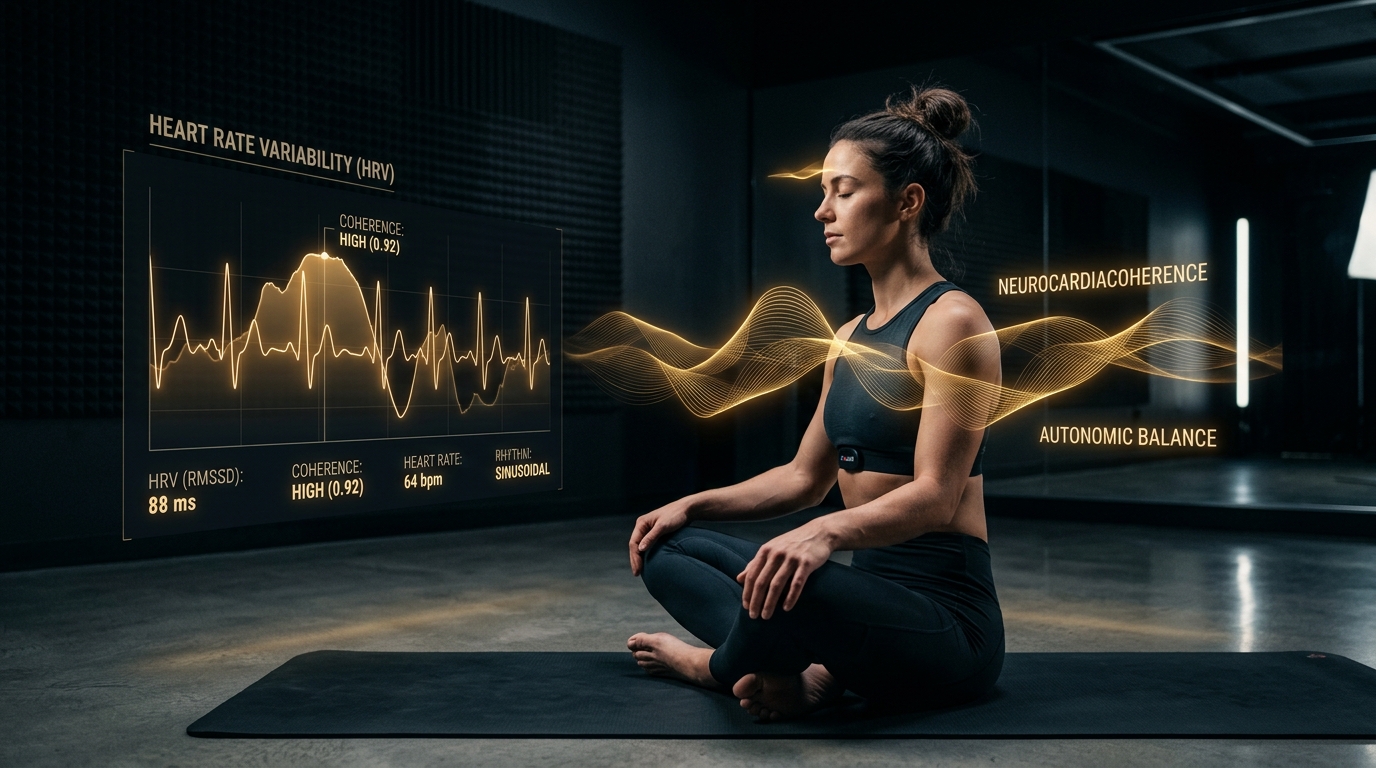
HRV biofeedback is a practice that helps you train your cardiovascular system using real-time feedback. It works through specialized apps that monitor the relationship between your breathing and heart rate, teaching you to optimize this connection for better health.
You can find numerous apps for this purpose, ranging from free options to premium versions costing up to several hundred dollars. Some popular choices include:
- Free options like Heartrate + Coherence
- HeartMath’s Inner Balance (with both free and paid versions)
- Various professional systems for clinical settings
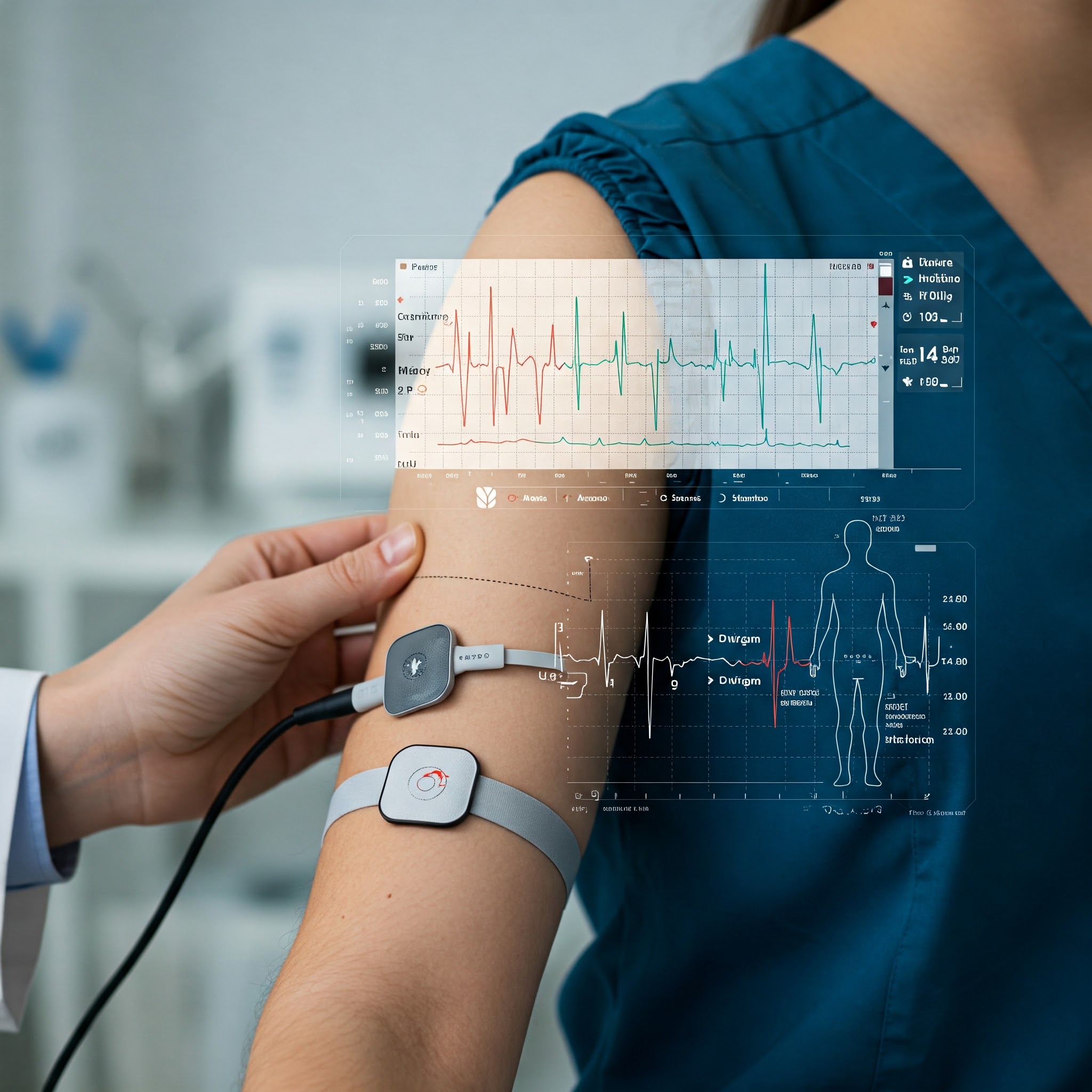
Some apps use your smartphone’s camera light to detect your pulse, while more advanced systems include separate sensors that attach to your earlobe or fingertip.
How HRVB Works
The process is straightforward:
- You’ll discover your comfortable breathing rhythm, typically around 5-6 breaths per minute (or 10-12 seconds per complete breath)
- The app tracks how your heart rate naturally changes during inhalation and exhalation
- Over time, you learn to increase the difference between your heart rate during inhalation versus exhalation
- This training strengthens your parasympathetic nervous system—the “rest and restore” mode of your body
The Science Behind Heart Rate Variability
In a healthy person, heart rate isn’t constant—it naturally varies. It increases when you inhale and decreases when you exhale. This variability is not only normal but essential for health.
Why is this breathing-heart connection so critical? To understand, we need to look at cellular energy production.
Unlike plants that convert sunlight directly into energy, our cells break down sugars from food to produce ATP (adenosine triphosphate)—our cellular energy currency. This process happens in our mitochondria, the powerhouses within each cell.
During energy production, hydrogen ions are released as byproducts. These hydrogen ions are acidic, and if they accumulate, they can damage cells. Oxygen from breathing combines with these hydrogen ions to form water (H₂O), neutralizing the acid danger. This is why oxygen delivery is so urgent for survival.
When you inhale, your sympathetic nervous system (the “fight or flight” system) increases your heart rate to help distribute oxygen more quickly throughout your body. Your hemoglobin carries oxygen molecules to every cell, where they combine with hydrogen ions to create water.
When you exhale, there’s no urgent need to deliver oxygen, so your heart can slow down to conserve energy. This slowing is controlled by your parasympathetic nervous system—the “rest and digest” mode.
Benefits of HRVB Practice
Regular HRVB practice offers numerous benefits:
- Enhanced stress resilience
- Improved emotional regulation
- Better sleep quality
- Improved digestion
- Enhanced creativity and cognitive function
- Better athletic and academic performance
- Cardiovascular health improvements
- Greater mental flexibility
Some research even suggests that HRVB can help damaged heart muscle begin healing after cardiac events.
Getting Started
Starting with just 5 minutes daily can yield benefits. As you become more comfortable with the practice, you might extend to 10 minutes twice daily. Using a smartphone app makes the practice convenient—you can fit in sessions during short breaks in your day.
With consistent practice, you can significantly increase your heart rate variability and experience meaningful improvements in your physical, mental, and emotional wellbeing.
Imagine a world where everyone practiced this simple technique. While it might not solve all global problems, it could certainly contribute to reduced conflict and increased wellbeing on both personal and community levels. Why not start today and transform your own relationship with stress?